In Ramara, Orillia Septic spends less time arguing about whether a system needs replacing and more time solving a geometry problem: where, exactly, does the new bed go?
The township runs up the east side of Lake Couchiching and along the north shore of Lake Simcoe, through Atherley, Brechin, Longford Mills, Udney and the shoreline communities between them. Behind the water it's farmland and rural concessions; on the water it's dense strips of cottage lots subdivided generations ago, when nobody was thinking about setbacks.
Small lots, full-size code requirements
A leaching bed has to sit a required distance from the lake, from the well, from the property lines and from the buildings. Those distances don't shrink because your lot is 50 feet wide. On a typical Ramara shoreline lot with the cottage near the water, a well somewhere in the middle and a neighbour close on each side, the compliant area left over can be smaller than the bed the house needs.
That is the defining Ramara constraint, and it's why so many quotes here land above the conventional range. It's a design problem, not a dead end — but it does mean the design work matters more than the digging.
What actually gets built on constrained lots
- A leaching bed replacement alone — where the tank is sound and there is still a usable bed area. The cheapest real fix when it's available
- A raised or fill bed ($35,000–$50,000) — where soil depth or the water table won't support a conventional bed, the treatment area is built upward in imported material. Expect a visible mound and a landscaping conversation
- An advanced treatment unit ($40,000–$60,000+) — treats effluent to a higher standard before it hits the ground, so the bed footprint can be smaller. On the tightest waterfront lots this is often the only option that fits
- A conventional system ($18,000–$40,000) — still very much on the table on Ramara's inland and farm properties, where there's room and depth to work with
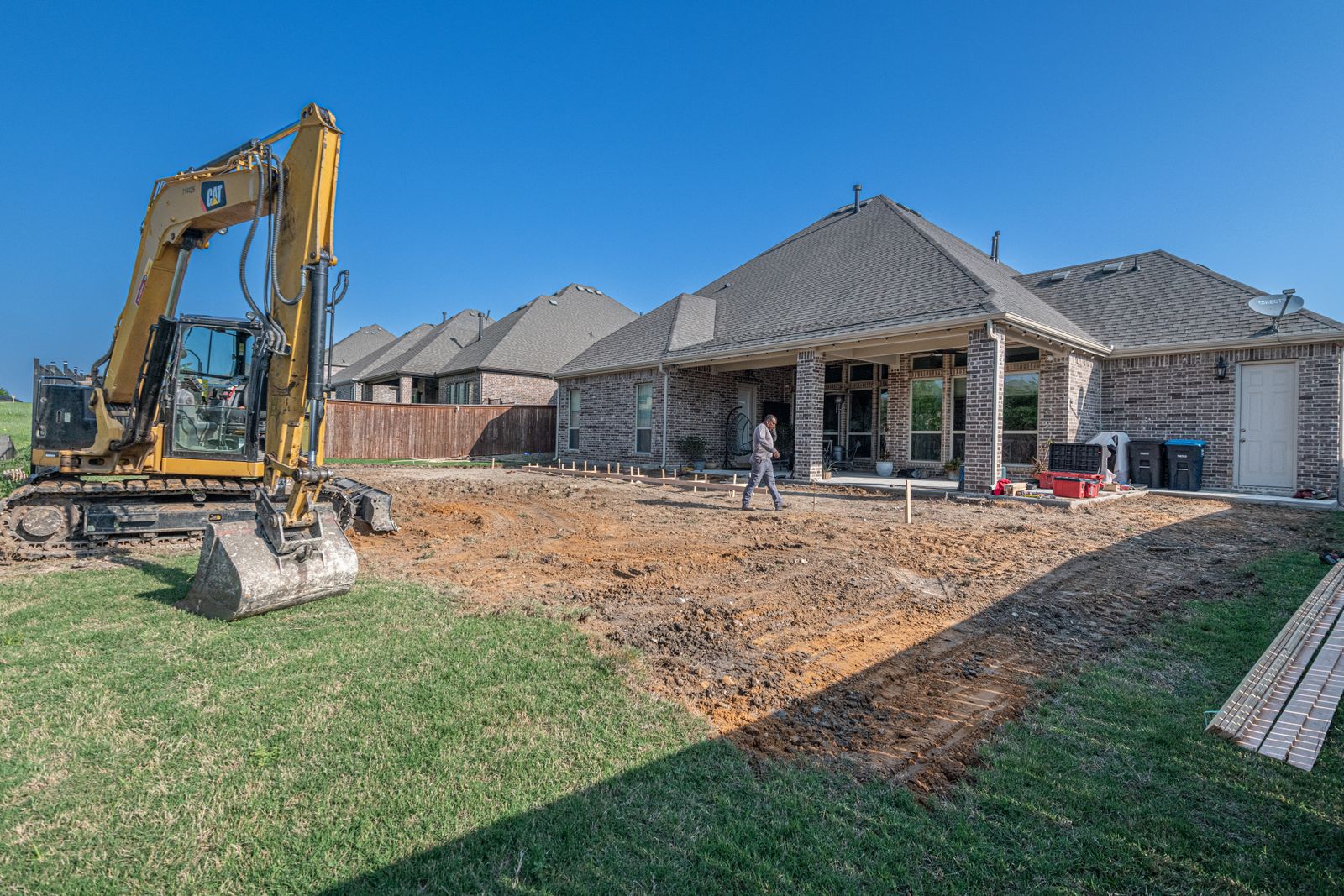
Replacement of an existing system runs 10–20% above a new install, because the old one has to be decommissioned and the crew is working around a finished cottage, a driveway and mature trees. Full ranges on the cost page.
Systems that predate the rules they're now judged by
A large share of Ramara's shoreline housing stock was built as seasonal cottages decades ago, and their septic systems came with them: undersized tanks, steel tanks now well past their service life, beds designed for a summer weekend load, and frequently no permit records at all.
None of that is a crisis while the property stays in the family and stays seasonal. It becomes a crisis the moment somebody official looks. Lake-country municipalities run mandatory re-inspection programs through waterfront areas on rotating schedules, and near Lake Simcoe the Lake Simcoe Protection Plan mandates on-site sewage system inspections for properties close to the shoreline. When one of those inspections fails, you get a compliance deadline, and a missing permit history usually means the answer is a full replacement under a fresh permit.
If the system has been pumped more than once in the past year to keep the house usable, that's not maintenance any more — our pumping vs replacement page explains the difference.
Turnover is what triggers most Ramara files
The other thing driving inspections here is the real estate market. Cottages that stayed with one family for forty years are changing hands, and every sale brings a buyer's septic inspection with it — which is where a lot of these systems get properly examined for the first time in their lives.
For buyers, that inspection plus a written replacement quote during the condition period is leverage: a $38,000 number is negotiable in a way that "the septic looks old" never is. For sellers, a recent inspection report — or better, a completed replacement with the permit closed — removes the single most common reason cottage deals fall apart. Either side of the transaction, start with the buying-with-a-septic-system guide.
One timing note that affects deals: excavation season runs roughly April to November. A system condemned in October can't be replaced before a December closing — it gets designed and permitted over the winter and built in spring. Negotiate for money and a plan, not a promise.