Orillia Septic arranges more work in Oro-Medonte than in any other township around the city, for a simple reason: it's enormous, it's almost entirely on private sewage systems, and it contains three very different kinds of property with three different failure stories.
One township, three septic markets
1. The Lake Simcoe shoreline
The township's southern edge runs along Lake Simcoe through Hawkestone, Shanty Bay and the stretch of waterfront roads in between. Small older lots, houses that started as cottages and got winterized, systems that were installed when the setback rules were looser than they are now. This is where the constraints bite hardest — and where the inspectors are.
2. Horseshoe Valley and the recreational corridor
Up the middle of the township, the Horseshoe Valley area has decades of recreational and residential development layered on top of each other: chalets, four-season homes, subdivisions on private services, short-term rentals. Two things recur here — systems undersized for the way the house is actually being used (a four-bedroom chalet sleeping twelve on a long weekend puts a load on the bed that no design flow anticipated), and additions that quietly changed the bedroom count without anyone revisiting the septic design.
3. Working rural lots and the Oro Moraine
Away from the water, Oro-Medonte is farms, concession roads and large rural lots — many of them on the Oro Moraine, where soils are often sandy and well drained. Good news for septic design: this is the terrain where a straightforward conventional bed is still realistic, and where prices land in the lower half of the range. The complications here are usually slope, variable soil depth, and the sheer age of systems that have been running since the 1970s.
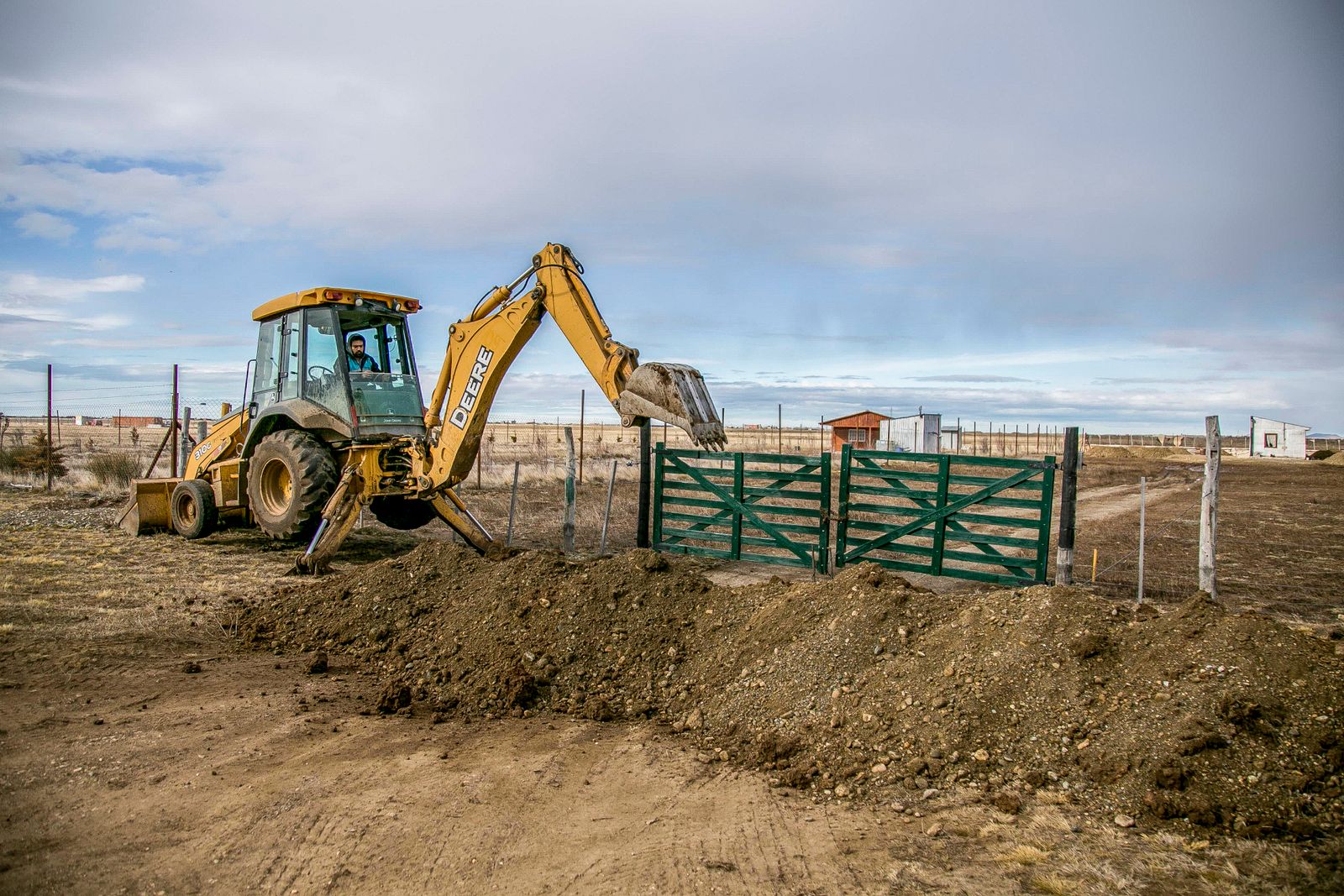
Shoreline setbacks are the hard constraint
On a waterfront lot, the leaching bed has to keep required distances from the lake, from the well, and from the property lines. On a 60-foot cottage lot with a house near the front and a bank at the back, honouring all of those at once can leave no compliant location for a conventional bed at all.
That's not the end of the file — it's a design problem with two standard answers. A raised or fill bed ($35,000–$50,000) builds the treatment area upward when there isn't enough native soil depth to work with. An advanced treatment unit ($40,000–$60,000+) treats the effluent to a higher standard before it reaches the ground, which allows a smaller bed footprint on lots where footprint is the whole problem. Both go through the same Part 8 permit process; both need a proper soil evaluation first.
Re-inspection exposure near the lake
Oro-Medonte shoreline owners carry a specific risk that inland owners don't. The Lake Simcoe Protection Plan mandates on-site sewage system inspections for properties close to the shoreline, and lake-country municipalities run mandatory re-inspection programs that work through waterfront areas on a rotating schedule. You don't opt in. The letter arrives.
If the system passes, that's the end of it. If it fails, you get a compliance deadline — and the design, permit and construction all have to happen inside it. This is why we tell shoreline owners with a system over 30 years old to get ahead of the program rather than waiting for it: a voluntary inspection on your schedule costs a fraction of a compliance scramble on theirs.
Costs and season in Oro-Medonte
Conventional tank-and-bed: $18,000–$40,000. Raised or fill bed: $35,000–$50,000. Advanced treatment unit: $40,000–$60,000+. Replacement of an existing system typically runs 10–20% above a new install, because the old system has to be decommissioned and the crew is working around a finished house and landscaping. Full detail on the cost page.
Excavation season is roughly April to November. Systems condemned in the fall get designed and permitted over the winter for spring construction — which means an October letter is a spring project, and the paperwork should start immediately.
Shoreline, valley or concession road — the first step is the same. A site assessment establishes what your soil will actually support, and the written quote covers design, permit and final inspection. Use the free quote form and mention any inspection deadline you're working against.