Orillia Septic gets two kinds of buyer calls: the ones during the condition period, and the ones eight months after closing. The first kind ends with a price adjustment. The second kind ends with a $35,000 bill and nobody left to argue with.
If you're buying anywhere around Orillia — Oro-Medonte, Severn, Ramara, Washago, Brechin, or anywhere on Couchiching, Simcoe or Bass Lake — you are almost certainly buying a private sewage system along with the house. The city of Orillia is largely on municipal sewers; the countryside around it is not.
Your home inspection does not cover the septic system
This is the misunderstanding that costs people the most money, so it's worth being blunt about. A standard home inspection is a visual review of the building. The inspector will note that there appears to be a septic system. He will not open the tank, measure the sludge and scum layers, check the inlet and outlet baffles, look for effluent surfacing over the bed, or assess whether the leaching bed is still doing its job.
A septic inspection is a separate booking with a separate scope, and it should be its own condition in the offer. Read your inspection agreement — most of them explicitly exclude septic systems and wells. Buyers routinely assume it was covered because it was expensive and it was thorough. It wasn't covered.
The five documents to ask the seller for
Request these in writing, early, and read what comes back:
- The sewage system permit and the final inspection sign-off. This is the big one. Under Part 8 of the Ontario Building Code, every system under 10,000 litres per day needs a permit and a passed final inspection. If the seller can't produce one, treat the system as unpermitted until proven otherwise
- The system design drawings — showing tank size, bed size and exact locations. Without them, nobody knows what's buried where, and even locating the bed becomes billable work
- Pumping receipts for the last several years. A tank that's been pumped every two to five years reads very differently from one pumped three times last summer
- Any municipal re-inspection correspondence — pass letters, fail letters, compliance deadlines. A live compliance deadline transfers with the property
- The age of the system. Many systems around these lakes went in during the 1970s, 80s and 90s. A 40-year-old bed is not "fine" because it hasn't backed up yet
The negotiation play: a written quote beats an opinion
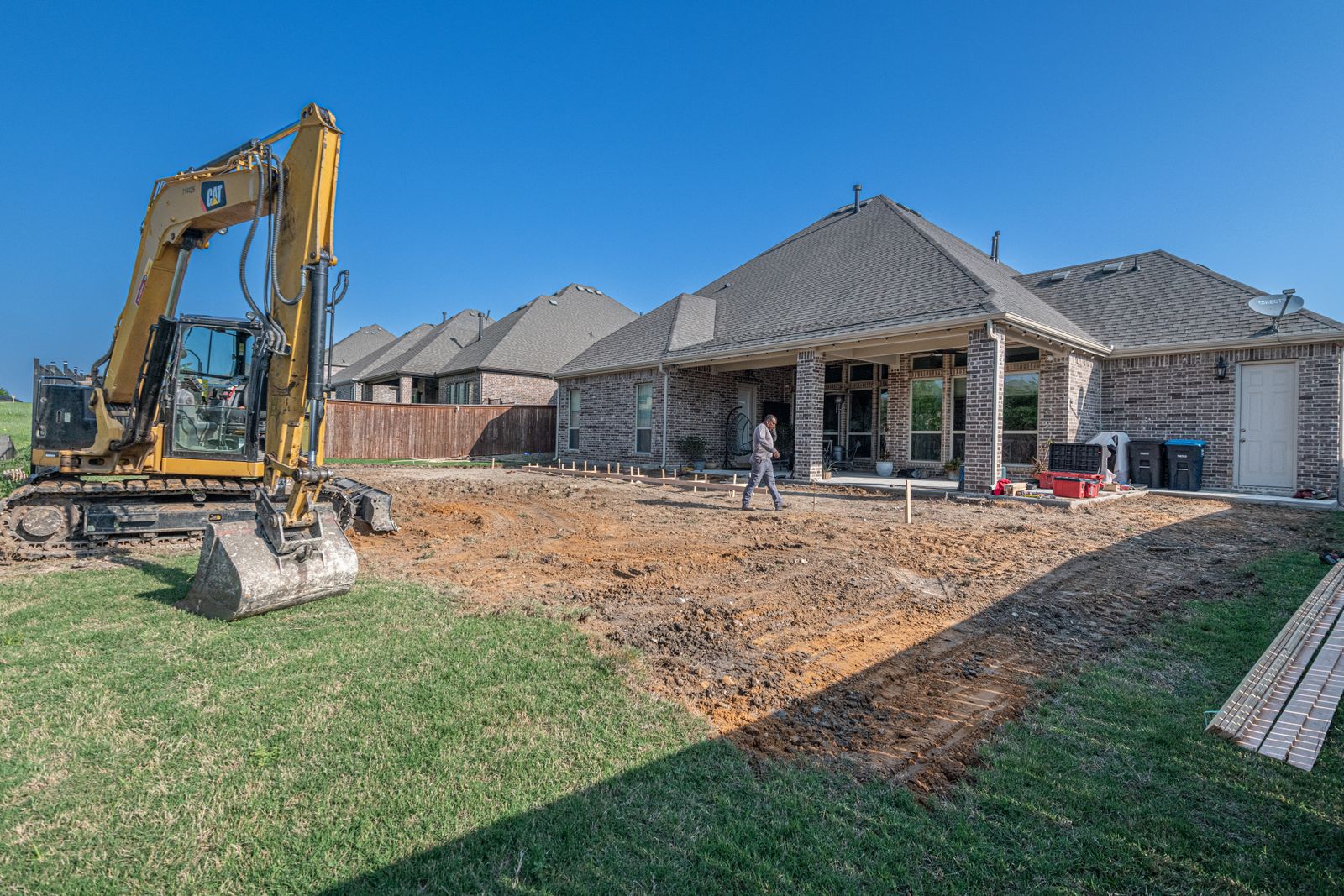
Here's the mechanic that actually works. "The septic seems old" is not a negotiating position — it's a feeling, and the seller's agent will treat it as one. A written replacement quote for $38,000, dated, in your hand, during the condition period, is a number. It reframes the conversation from whether there's a problem to who pays for it.
The ranges around Orillia: a conventional tank-and-bed replacement runs $18,000–$40,000; a raised or fill bed $35,000–$50,000 where soil, bedrock or the water table rule out a conventional bed; and an advanced treatment unit $40,000–$60,000+ on tight or shoreline-constrained lots. Add the fact that replacement typically costs 10–20% more than a new install — the old system has to be decommissioned and the crew is working around a finished property, a driveway and a lawn. Detailed breakdowns are on our cost page.
Three outcomes are available once you have that number: the seller replaces the system and closes the permit before closing, the price comes down by the quoted amount, or you walk away having spent a few hundred dollars instead of forty thousand. All three are wins. None of them are available without the quote.
Cottage-specific traps
Seasonal-use systems
A septic system is designed around a daily design flow. A cottage used six weekends a summer has been putting a fraction of the intended load on its bed for decades, which can make a marginal system look healthy. Move a family in full-time — laundry, dishwasher, showers, a second bathroom — and a bed that had been coasting can fail within a season or two.
Winterizing or converting to year-round
If your plan involves winterizing the cottage, adding bedrooms, or building a bunkie or garden suite, the system needs to be evaluated against your intended use, not the seller's. Design flow is driven by bedroom count and fixtures. A conversion frequently means the existing system is no longer adequately sized or permitted for the load — which turns into a permit file whether or not the old bed is failing.
Waterfront setbacks
On shoreline lots, the leaching bed has to sit a required distance from the water and from the well. On the older, smaller cottage lots common on Lake Couchiching and the north shore of Lake Simcoe, once you honour all the setbacks there is sometimes no compliant place left for a conventional bed at all. That doesn't make the property unbuildable — it makes it a raised-bed or treatment-unit property, at the top of the price range. Near Lake Simcoe, the Lake Simcoe Protection Plan also mandates on-site sewage system inspections for properties close to the shoreline, so the system will be looked at whether or not you ask for it.
Timing: the calendar is not on your side
The excavation season in this area runs roughly April to November. A system condemned by an inspection in October can't be replaced before a December closing — it gets designed and permitted over the winter and built in the spring. Know that before you negotiate, so you ask for money and a plan rather than a promise to have it fixed before the keys change hands.
In a condition period right now? Send the property details through the free quote form and note your deadline date. Condition-period files get scheduled first, because the whole point is having a real written number before your clause expires. If the report comes back bad, our pumping vs replacement guide explains what "just get it pumped" will and won't fix.